
How Your Child Can Use New Words in Their Own Sentences with CuriousJr Key English Classes
 Mishika Gupta19 Aug, 2026
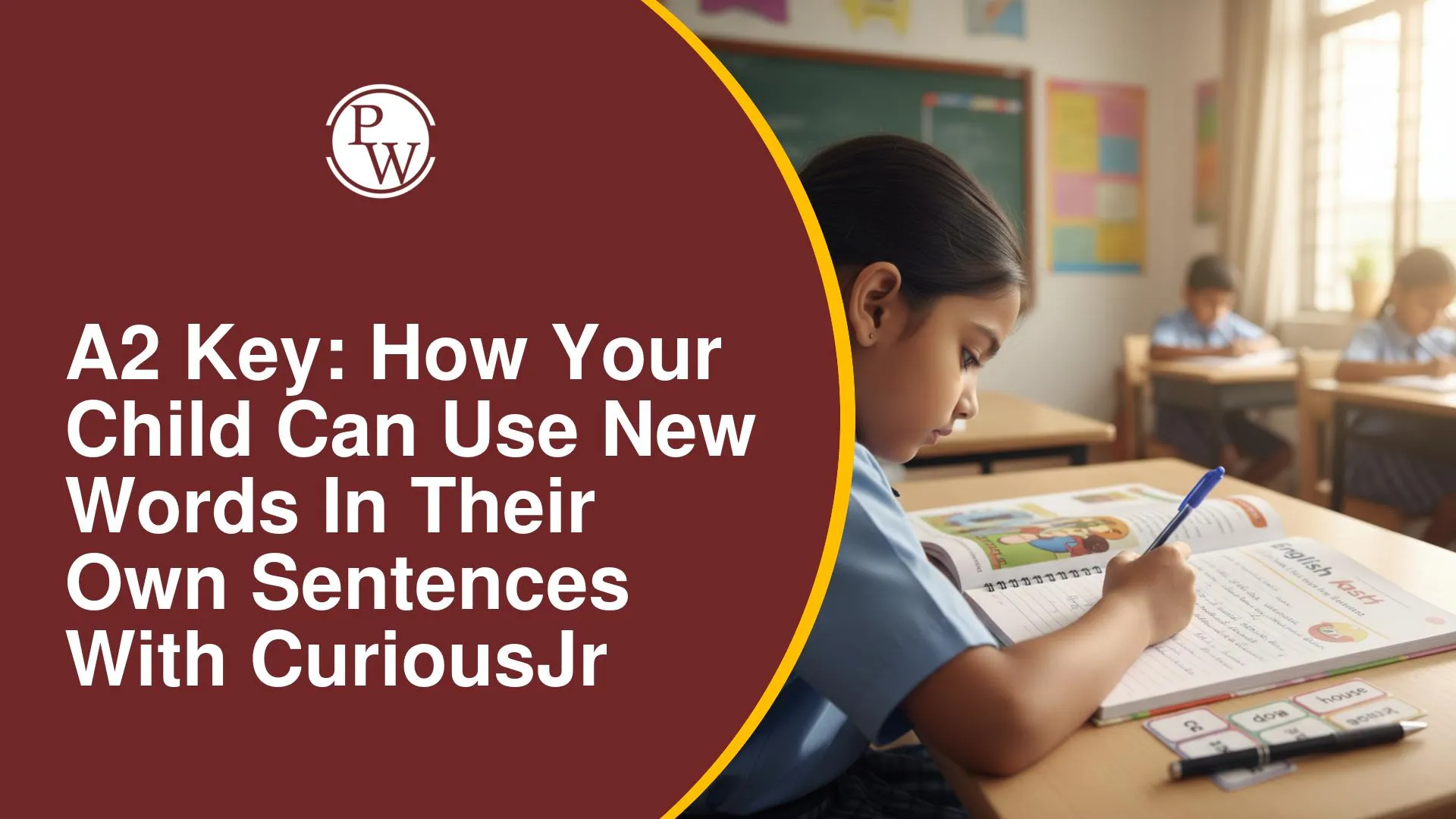
Learning new English words is only the first step. Children may remember a word and know its meaning but still find it difficult to use it while speaking or writing. This can happen when they are unsure about sentence formation, pronunciation or how the word fits into a conversation.
CuriousJr A2 Key English classes help children aged 10–12 use vocabulary more actively through Listening, Speaking, Writing and Reading (LSWR). With live classes, Cambridge learning materials, interactive activities and teacher guidance, children can gradually move from recognising new words to using them in their own sentences.
Why Do Children Find It Difficult to Use New English Words?
Knowing the meaning of a word does not always mean your child knows how to use it correctly. Children may need repeated exposure and practice before new vocabulary becomes part of their everyday English.
Some common difficulties include:
-
Knowing the meaning of a word but not knowing where to use it
-
Finding it difficult to form complete sentences
-
Being unsure about which words can be used together
-
Hesitating because of pronunciation concerns
-
Worrying about making grammar mistakes
-
Getting fewer opportunities to use new words while speaking
-
Forgetting vocabulary when it is not used regularly
For example, your child may know that “curious” means wanting to know more about something but may not immediately form a sentence such as, “I am curious about how the machine works.” Regular practice can help make this transition easier.
Read More - How CuriousJr A2 Key English Class Improves Sentence Formation
How Can Children Learn to Use New Words in Their Own Sentences?
Children can become more comfortable using vocabulary when they learn a word, see how it is used and then practise applying it themselves.
|
Step |
What Your Child Can Do |
|
Understand the word |
Learn its meaning and how it is generally used. |
|
See it in context |
Read or hear the word in a complete sentence. |
|
Create a simple sentence |
Combine the new word with familiar vocabulary. |
|
Speak the sentence |
Say the sentence aloud to practise using the word. |
|
Use it again |
Apply the word in another conversation or writing activity. |
For example, after learning “helpful”, your child can use it in sentences such as “My teacher is helpful” or “The helpful instructions made the activity easier.” Using a word in different contexts helps children understand its practical use.
How Does CuriousJr A2 Key English Help Children Use New Words?
The CuriousJr A2 Key English programme is designed for children aged 10–12 who have basic English knowledge and want to develop stronger communication skills. The programme connects vocabulary learning with Listening, Speaking, Writing and Reading instead of treating new words as an isolated activity.
|
LSWR Area |
How Vocabulary Is Used |
|
Listening |
Children encounter new words through conversations and spoken activities. |
|
Speaking |
They use words while answering questions, participating in conversations and role-plays. |
|
Writing |
They practise vocabulary in emails, messages and other writing activities. |
|
Reading |
They meet new words in passages and written material and understand them through context. |
Children can encounter and practise English through live classes, Cambridge materials and physical learning materials. This gives them different opportunities to see how words are used across communication activities.
Read More - Daily 5 Sentence Practice for English Fluency (Level Key)
What Activities Can Help Your Child Practise New Vocabulary?
Learning becomes more useful when children get regular opportunities to apply new words instead of only memorising their meanings. CuriousJr uses different activities to encourage active English practice.
-
Live conversations: Children can practise using new words while speaking.
-
Role-plays: Different situations give children opportunities to use vocabulary naturally.
-
Quizzes: Questions help children recall and apply words they have learnt.
-
Interactive activities: Engaging tasks encourage children to participate actively.
-
Writing tasks: Children can use vocabulary while writing short emails and messages.
-
Group discussions: Children listen to others and use words while sharing their own ideas.
These activities can help children become more comfortable using new vocabulary in both spoken and written communication.
How Does Teacher Support Help Children Use New Words Correctly?
Children may still have questions about a word even after learning its meaning. Teacher guidance can help them understand how to use vocabulary appropriately and correct mistakes during practice.
With CuriousJr, children can receive support through:
-
Teacher guidance: Teachers explain unfamiliar words and help children practise sentence formation.
-
Small-group sessions: Children get opportunities to participate and use English during learning.
-
Q&A support: Children can clarify words, sentences or topics they find difficult.
-
Class Teacher guidance: Additional academic support helps children work through their questions.
-
WhatsApp support: Families have another channel for academic assistance.
-
Parent-Teacher Meetings: PTMs help parents stay informed about their child's learning progress.
This support can make it easier for children to ask questions and practise new vocabulary without feeling hesitant about mistakes.
Why Choose CuriousJr A2 Key English Classes for Vocabulary Practice?
For children aged 10–12, vocabulary practice can be more effective when it is connected with regular communication and guided learning. CuriousJr brings different learning resources and activities together to support this process.
|
CuriousJr Feature |
Value for Your Child |
|
LSWR-Based Learning |
Connects vocabulary with listening, speaking, reading and writing. |
|
Live Classes |
Provides regular opportunities to use English. |
|
Cambridge Materials |
Gives children learning resources for English practice. |
|
Physical Learning Material |
Supports vocabulary and communication practice beyond live classes. |
|
Interactive Activities |
Makes vocabulary practice more engaging. |
|
Teacher Guidance |
Helps children understand and use words correctly. |
|
PTMs & WhatsApp Support |
Keeps parents connected with their child's learning. |
Using new vocabulary confidently requires more than remembering meanings. CuriousJr A2 Key English classes give children opportunities to apply words through Cambridge learning resources, interactive activities, LSWR-based practice and teacher guidance. Regular speaking, reading and writing activities help children use vocabulary naturally across conversations and everyday communication.
How Your Child Can Use New Words in Their Own Sentences with CuriousJr FAQs
How can my child use new English words in sentences?
Why does my child remember English words but struggle to use them?
How does CuriousJr A2 Key English help with vocabulary?
What age group is the CuriousJr A2 Key programme for?
Does CuriousJr provide teacher support for English vocabulary practice?














Get Free Counselling Today
and Clear up all your Doubts
 Live & recorded classes available at easeDashboard for progress trackingLakhs of practice questions

